AGP Executive Report
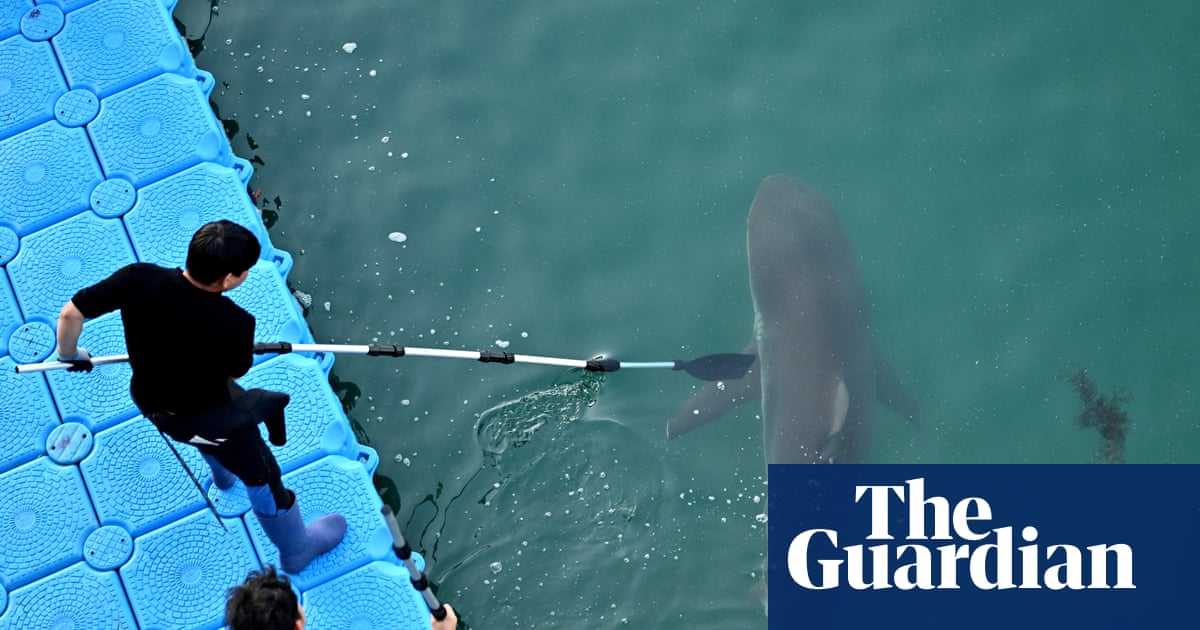
Last update: 2 hours agoWildlife: Bukangi, the dusky shark trapped in a Busan canal for weeks, was guided back to sea after repeated rescue attempts. Environmental groups linked its appearance to warming seas. Clean Energy: A first shipment of bio-methanol made with wind power and biomass arrived in Busan from China, where the fuel was used to refuel ships. South Korea and the EU also held a high-level forum on green transition cooperation. Urban Climate: South Korea is building a full-scale flood lab to test ways to reduce urban inundation, while Seoul plans to trial next-generation solar panels in parking lots. These initiatives come as the country’s major climate spending plan faces an early financial test and many power-grid projects fall behind schedule.
Note: AI summary from news headlines; neutral sources weighted more to help reduce bias in the result. Feedback is welcome. Please let us know if you have any comments or suggestions about the AGP Executive Report.

 Perspectify News